.png?width=246&height=70&name=Kinetech%20PM%20246%20x%2070%20(1).png)






Steel Manufacturing Company overcomes ERP failure, transforming to digital excellence with Kinetech's agile custom software and system integration solutions. Learn how tech boosts sales and efficiency.
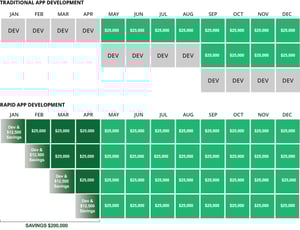
Most manufacturers face an impossible choice for software: rigid off-the-shelf solutions that force process changes, or custom development that takes 12-18 months with a 70% failure rate (Gartner, 2023).
A small group of manufacturers has discovered a third path—one that delivers custom fit at off-the-shelf speed.
This approach has proven successful across hundreds of manufacturing software implementations. Here, we examine two specific examples: an industrial manufacturer that digitized warehouse operations in 30 days and a steel processor that succeeded after two failed ERP implementations.
Both achieved what traditional approaches promise but rarely deliver: software perfectly aligned with their operations, delivered in weeks rather than years, without the risks that plague conventional projects.
The difference? They understood the COTS vs. custom dilemma is false. There's a third option that blends the best of both: the flexibility and perfect fit of custom development with the speed, cost-efficiency, and reduced risk of off-the-shelf systems.
This is how they did it—and how you can too.

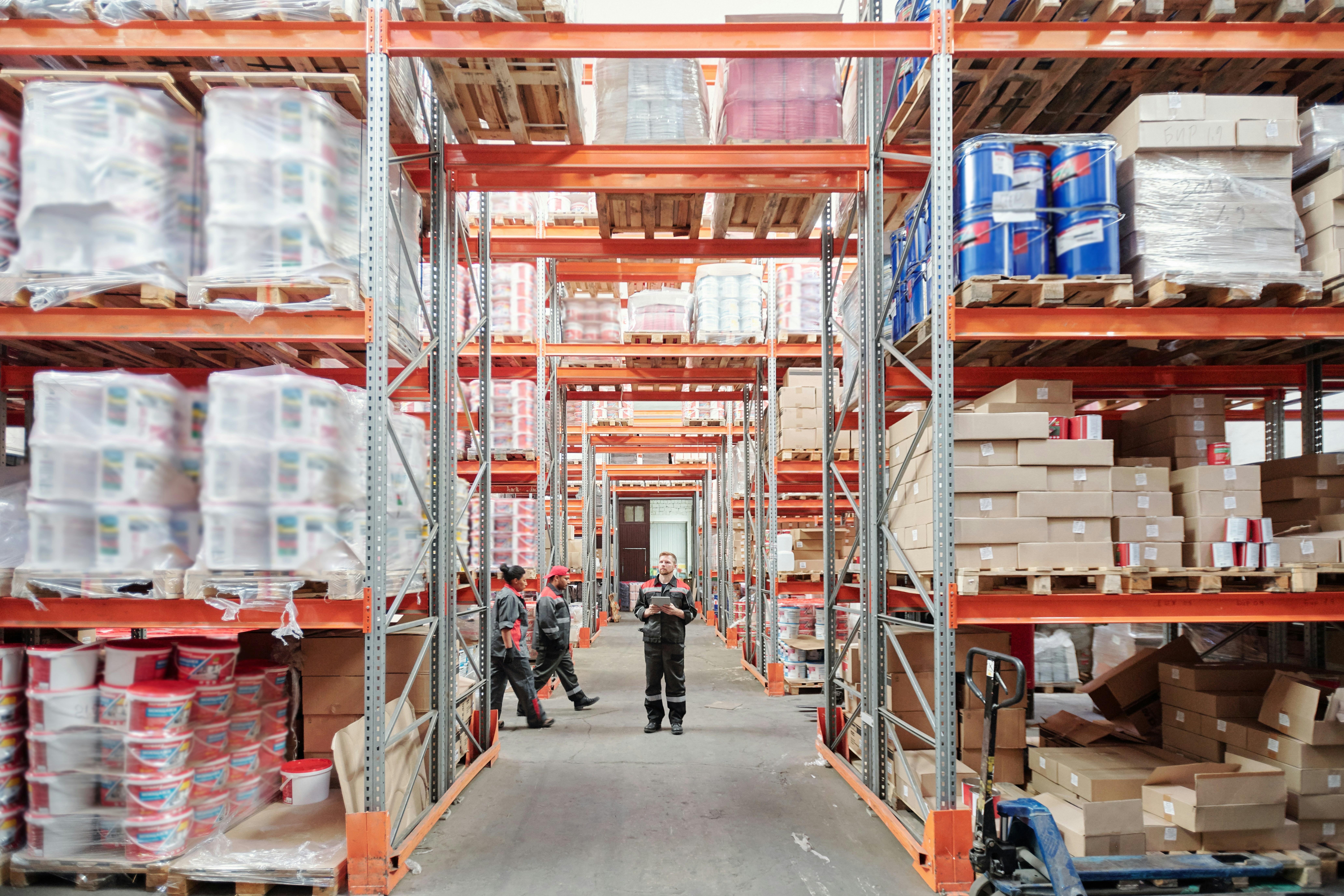
An industrial integrated solutions manufacturer processed thousands of shipments daily, supporting large-scale projects in oil & gas, renewable energy, and industrial construction. Revenue was growing, project complexity was increasing, but their material management approach hadn't evolved past the scrappy methods that worked when they were half the size.
Their warehouse operations ran on improvisation: Sharpie markers on racks indicated material locations (when someone remembered to mark them). Project managers maintained their own Excel inventory trackers—none of which communicated with each other or with the ERP. Material movements were documented through email chains that created more confusion than clarity. The ERP showed what was purchased, but couldn't answer the only question that mattered: "Where is it right now?"
It worked—until it didn't.
When "Good Enough" Becomes Costly
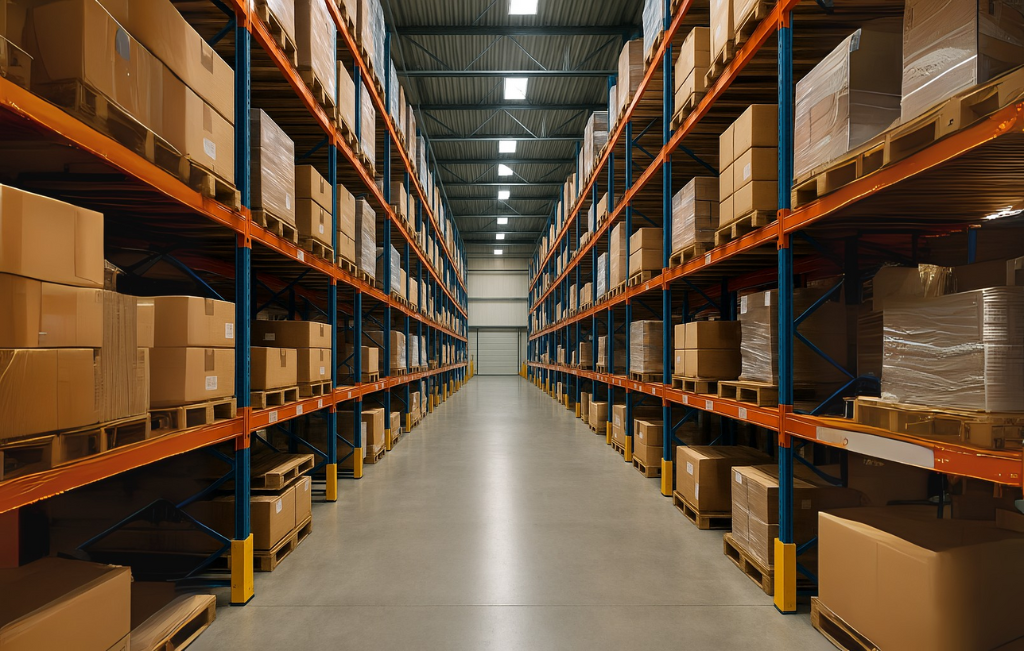
The breaking point came during a critical project phase. Materials with a 12-week lead time couldn't be located. Procurement confirmed they'd been ordered, received, and logged in the ERP months ago. The warehouse team searched for hours. Had they been consumed by another project? Damaged and discarded? Simply lost in 200,000 square feet of racking?
The result: emergency reorders at premium pricing, project delays, difficult conversations with customers about missed milestones, and potential contract penalties. This scenario wasn't rare—it was routine.
Without real-time visibility into material location, status, and consumption, the organization faced compounding operational and financial risks:
The Scaling Problem
Most critically, as project volume increased and complexity grew, these manual workarounds would collapse under their own weight. The company was winning more business, but its operational infrastructure couldn't support the growth without significant risk.
The 30-Day Transformation
Kinetech's approach wasn't to replace what worked—it was to eliminate what didn't scale. Within 30 days, they delivered a mobile-first material management system that integrated with the existing ERP database and institutionalized the warehouse processes the team had developed over the years.
The solution captured materials at receiving with barcode scanning, tracked real-time location and consumption, and provided instant visibility across procurement, warehouse, and project management. No more Sharpies, Excel exports, or email chains about material movements.
The results were immediate:
The Cultural Shift
Perhaps most telling was the warehouse team's reaction. Initially skeptical of "another promise unlikely to deliver," they became the solution's strongest advocates after seeing a working prototype after just two weeks into development. Their question shifted from "Do we really need this?" to "When can we have it?"
Why? Because the system was built around how they actually worked—not how some consultant thought they should work.
Understanding Phantom Inventory
This manufacturer's story reflects a widespread challenge for many manufacturers: phantom inventory. Materials exist in the ERP—purchased, received, logged—but can't be located in the physical warehouse or on the shop floor.
Phantom inventory isn't just an accounting problem. It's lost money: production delays that miss committed dates, emergency procurement at premium pricing, customer satisfaction risk, competitive disadvantage in markets where delivery reliability separates market leaders from everyone else, and working capital tied up in materials you can't actually use.
For manufacturers operating on tight project margins, phantom inventory can be the difference between profitable growth and chaotic scaling that destroys value.
The Path Forward
The question isn't whether manual material tracking can work—clearly, it can for a time. The question is whether it can scale with your ambitions. For this manufacturer, the answer was no. Thirty days and one custom application later, they eliminated a constraint that would have limited their growth for years.
The True Business Impact
Based on our analysis of mid-market manufacturers who have not adopted a Smart Warehousing solution:
| Hidden Cost Category | Annual Business Impact |
|---|---|
| Project Risk Exposure | $1M–$50M+ per delayed project |
| Customer Relationship Risk | $500M+ in long-term partnership value |
| Phantom Inventory | $500K–$1M (duplicate purchases of existing stock) |
| Emergency Procurement | 300–500% rushed freight costs |
| Contract Penalties | 5–15% of contract value |
| Warehouse Space Constraints | $500K–$2M+ for facility expansion |
| Insurance & Carrying Costs | $50K–$200K on excess inventory |
| Inefficient Labor Allocation | $200K–$400K in unnecessary headcount |
| Suboptimal Purchasing | 10–25% procurement cost inflation |
| Competitive Disadvantage | Immeasurable lost opportunities |
When Strong Operations Are Held Hostage by Failing Software
The warehouse transformation story showed how we introduced technology where none existed—digitizing manual processes using our library of prebuilt components. But many manufacturers face a different challenge: they already have software running their operations, it's failing them, and every attempt to replace it has made things worse.
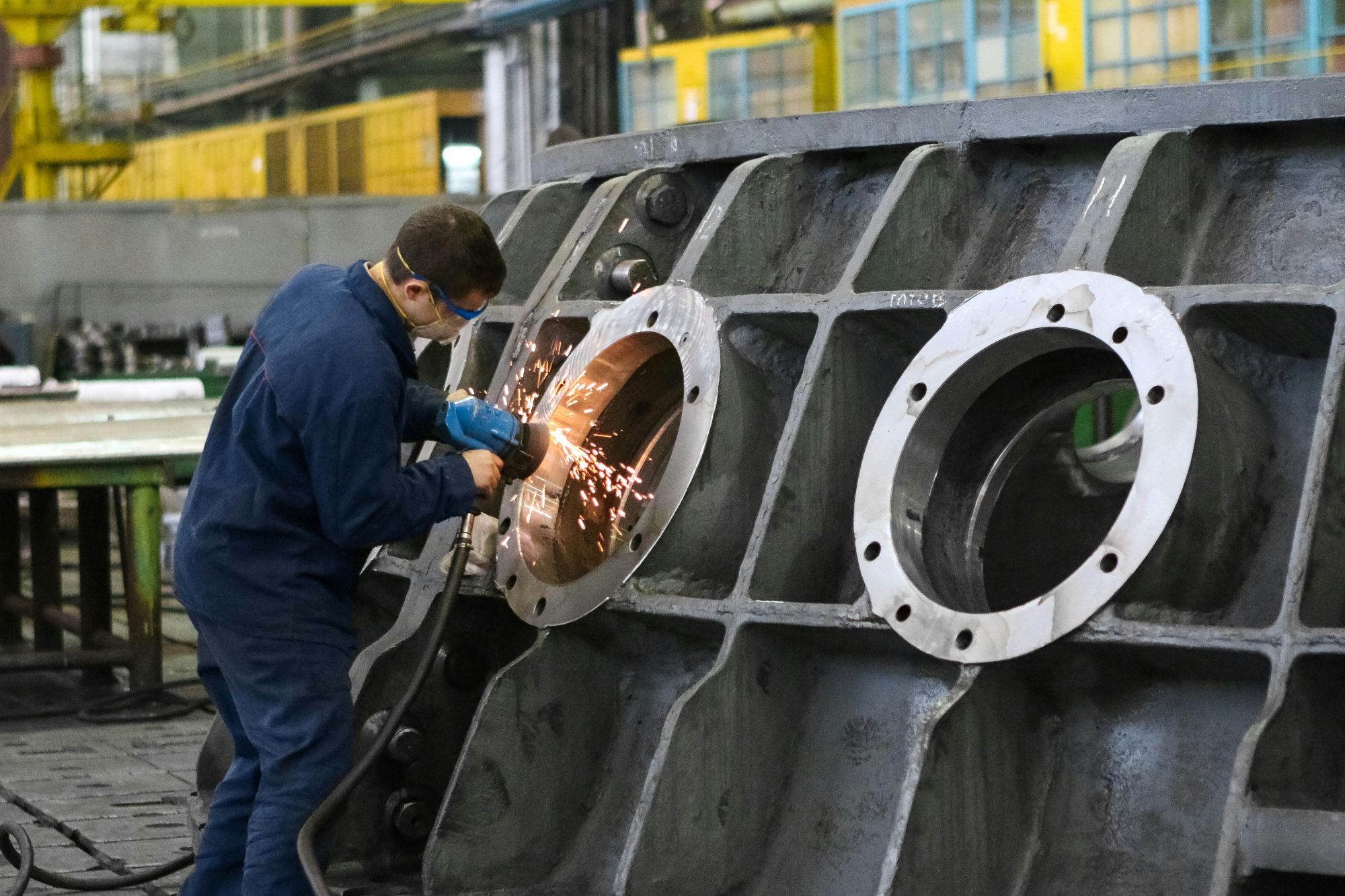
This is where a steel processing company found itself. They didn't need to digitize manual processes—they needed to replace a dying ERP system that had served them for decades. But two attempts at "big box" ERP implementations had both failed spectacularly, leaving them trapped: running on unsupported legacy software and losing faith that any replacement could work.
Unlike the warehouse digitization project where we started fresh with mobile apps and barcode scanning, this required replacing core production management software that ran their entire steel processing operation—and doing it after two expensive failures had created organizational trauma around any new technology initiative.
Their business was thriving: strong revenue growth, 30+ years of steel-processing expertise, and a loyal customer base. Their problem? The software keeping them operational was failing, and the "proven" enterprise solutions that promised to replace it couldn't handle their operations.
The Original System Reaches End-of-Life
Their customized Infor SyteLine installation had survived well (enough) for decades, but reached end-of-life. Vendor support was ending. Security vulnerabilities would pile up. Future versions couldn't support the customizations that ran their steel processing operations—workflows refined through years of expertise, integrations connecting production to inventory and shipping, custom reporting that drove daily decisions.
They needed a replacement. What followed were two costly failures.
First Failure: Microsoft Dynamics
First, they implemented Microsoft Dynamics for Manufacturing with professional vendor customization. Proven platform. Experienced implementation partner. Backing of Microsoft. The "safe" choice.
The implementation went live. Operations immediately suffered. The system couldn't accommodate their unique steel-processing workflow.
After months of struggle, they faced the painful reality: they needed to revert to their legacy SyteLine system—the very system they'd implemented Dynamics to replace.
The reversion was costly and disruptive. Data had to be migrated back. Processes had to be re-established. Staff had to be retrained on the old system. And everyone knew this was temporary—SyteLine was still end-of-life, still losing vendor support, still a ticking time bomb.
They'd spent a year and a substantial budget to end up exactly where they started: running on dying software with no viable path forward.
Second Failure: Syteline Again
Back to the same sunset version of SyteLine they'd been trying to escape. Another reversion. More money lost. More organizational trauma.
Two implementations. One reversion to the same dying system. Money spent. Years lost. And after all that investment and organizational trauma, they were running on the exact same unsupported software they'd started with—a system that had already lost vendor support while they competed against manufacturers with modern infrastructure.
As their team described, "We experienced significant organizational trauma. We could not afford another failure."
The conclusion was clear: off-the-shelf ERP solutions would never fit their operations. But they still needed software that could.
The False Choice: COTS vs. Custom
The traditional software decision presents what seems like an impossible trade-off:
- Commercial Off-The-Shelf: Fast implementation promised, rigid processes delivered. Your proven operations must conform to someone else's generic workflows. For the steel processor, this meant two failed attempts to force their steel processing expertise into systems built for "manufacturing in general"—which is to say, not built for them at all.
-
Traditional High Code Custom Development: Perfect fit promised, but 12-18 month timelines, big budgets, and 70% failure rates delivered. You don't see working software until it's too late to change course. Most development teams don't understand manufacturing, so you get technically sound software that doesn't solve operational problems.
After experiencing both paths, manufacturers are left asking: "Is there any solution that actually works?"
The Best of Both Worlds
Both manufacturers discovered a third path with Kinetech: custom solutions built from proven pre-built components.
Not generic COTS forcing process changes. Not an 18-month ground-up development. Software built to your exact operations, delivered in weeks using battle-tested building blocks.
The warehouse solution fit the industrial manufacturer's material tracking because we built around their actual operations—using prebuilt components include barcode scanning and ERP integration that eliminated months of development.
The production system fit the steel processor's workflows because we preserved their expertise while replacing what didn't work—leveraging our component library for custom functionality without custom timelines.
Perfect fit. Rapid delivery. Zero compromise.
How We Ensure Solution Fit
The difference isn't just the technology—it's how solutions get built:
Start with working software, not requirements documents. Within days, not months, you see your operations running in actual software. This isn't a demo or mockup—it's a working prototype built with production-grade components from our library.
Build with your team, not for them. Your operational experts work directly with our developers throughout. When something doesn't fit, we adapt immediately—not after months of development based on misunderstood requirements.
Prove it before you commit. You see working software solving real operational problems before making full investment decisions. No more seven-figure gambles on 18-month projects.
Leverage what already works. Our library of prebuilt components—mobile interfaces, barcode scanning, ERP integrations, workflow engines, reporting frameworks—eliminates the 60-70% of development time spent building common functionality. We focus effort on what makes your operations unique.
The result? Custom software that fits your exact operations, delivered with the speed and reliability COTS promises but never delivers.
This is how both companies succeeded where traditional approaches failed. The question isn't "COTS or custom?"—it's "How do we build it?

Why Traditional Development Fails: The Broken Telephone Effect
There's a simple reason why most software projects fail—it starts with how requirements move through the organization, but it's compounded by technology that can't keep up with what you learn.
At each handoff, critical context disappears:
- Your warehouse manager knows materials from certain suppliers arrive damaged and need immediate flagging—but that detail gets summarized away as "receiving inspection".
- Your production scheduler understands that material priority depends on production urgency, not FIFO, but the requirement becomes "standard queue management".
- Your quality manager knows specific heat lots require special handling—but it's documented as generic "material tracking".
By the time developers build features, they're solving problems that don't exist while missing the problems that matter.
Result: 85% of requirements lost in translation. Software that technically meets specifications but fails operationally.
This isn't incompetence—it's what happens when the people building software never talk to the people who understand the operations, and the technology platform can't support rapid iteration when you discover what actually needs to change.
The Digital Translation Model: Technology That Enables Agile Collaboration
Kinetech eliminates the telephone effect through continuous iteration with immediate validation—but this only works when the technology platform can keep pace with what you're learning:
The process should look something like this:
.png?width=442&height=430&name=Group%20200%20(1).png)
The technology matters because it must enable this rapid cycle:

Without technology that facilitates rapid iteration, even direct collaboration fails—you'd still wait weeks for changes, making the agile cycle impossible.
"With Kinetech, you're talking directly to someone who understands your business AND can build the solution. But just as important—I'm using a platform that lets me turn your feedback into working software in hours, not weeks. No translation needed, and no technology bottlenecks.
- Kinetech Project Lead
Traditional developers working with traditional platforms face double barriers: they don't understand operations, and even if they did, their technology stack requires weeks to implement changes.
The Game-Changer: Consultant-Developer + Rapid Development Technology
Success requires both technologists who understand your business AND technology that enables them to act quickly on what they learn.

Why 70% of Implementations Fail
The steel processor experienced this firsthand—twice. Here's what kills projects:
COTS Failures:
-
Off-the-shelf software is not flexible or adaptable to your actual needs
-
Misaligned expectations between decision makers and users
-
Forced process changes disrupt proven workflows, create resistance, destroys competitive advantages
-
Unknown limitations you won't discover until you're deep into implementation
Traditional Custom Development Failures
-
Misaligned expectations when what decision-makers want ≠ what users need ≠ what gets built
-
Technology-first approach ignores actual business needs as developers focus on features, not solutions
-
Disconnected business / developer feedback loop where business doesn't see working software until it's too late or expensive to change course
-
Poor change management: Users resist systems they didn't help create
Result: Millions spent, years lost, and you're back where you started—or worse.

You Are an Ideal Fit If You Want:
AND You Are Frustrated That:
This Is Not for You If You Would Rather:

You're at a decision point. Here are your three paths forward:
Your Competitors Are Making Their Choice Right Now
While you're evaluating options, manufacturers in your industry are on one of two paths:
Path 1: Falling Behind
- Struggling with ERP limitations or manual offline systems
- Managing workarounds while losing ground daily
- Attempting traditional implementations that take years and often fail
- Operating with software built around their proven processes
- Real-time visibility enabling faster, better decisions
- Digital infrastructure that scales with growth
The gap widens every quarter.
The Uncomfortable Truth
Choosing to wait, to evaluate longer, to hope things improve—that's choosing Path 1.
The industrial manufacturer chose transformation. 30 days later: 100% material traceability.
The steel processor chose to try differently after two failures. Weeks later: production software that actually fits.
Both were where you are now. Both chose action over status quo.
Which side of the competitive divide will you be on in 90 days?
.png)
Step 1. Executive Strategy Call (60 Minutes)
Direct access to consultant-architects, who will build your solution—not salespeople.
We'll Cover:
- Current operational challenges and business impact
- Process fit evaluation—do your needs match our approach?
- Solution scope and customization requirements
- Timeline and investment discussion
Outcome: Clear understanding if we're the right fit and what transformation looks like for your operation.
Step 2. Proof of Concept (1 Week)
See your exact process running in working software before committing.
You'll Get:
- Working application customized to your critical workflow
- Live demonstration with your operational team
- Real validation—not mockups or demos
- Confirmed transformation roadmap and investment
Outcome: Confidence that the solution fits your operations, validated by the people who will use it.
Step 3. Transformation Execution (30-90 Days)
From validated proof of concept to production.
- Complete application build with enterprise-grade quality
- Integration with existing systems (ERP, MES, quality)
- Comprehensive training with teams who helped build it
- Go-live support with adaptive capability for real-world adjustments
- Success metrics documentation
Outcome: Operational software running your business with measurable ROI.